

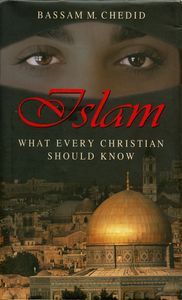

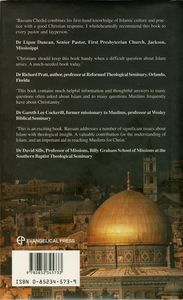

Islam: What Every Christian Should Know
| Book | Islam: What Every Christian Should Know |
| Format | Hardback |
| Language | English |
Collection
Read
| Publisher | Evangelical Press |
| Copyright Holder | Evangelical Press |
| About/Subject | Christianity, Islam, Theology, Apologetics |
| Author | Bassam M. Chedid |
| Format | Hardback |
| Language | English |
| Location | United States |
| Pages / Font | 287 pages |
| ISBN | 0 85234 573 9 |
| Barcode | 9 780852 345733 |
| Barcode (EAN) | 9780852345733 |
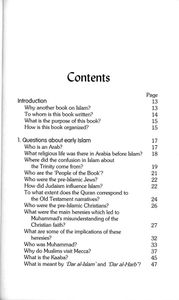
| Chapters | Introduction
Why another book on Islam?
To whom is this book written?
What is the purpose of this book?
How is this book organized?
1. Questions about early Islam
Who is an Arab?
What religious life was there in Arabia before Islam?
Where did the confusion in Islam about the Trinity come from?
Who are the ‘People of the Book’?
Who were the pre-Islamic Jews?
How did Judaism influence Islam?
To what extent does the Quran correspond to the Old Testament narratives?
Who were the pre-Islamic Christians?
What were the main heresies which led to Muhammad’s misunderstanding of the Christian faith?
What are some of the implications of these heresies?
Who was Muhammad?
Why do Muslims visit Mecca?
What is the Kaaba?
What is meant by ‘Dar al-Islam’ and ‘Dar al-Harb’?
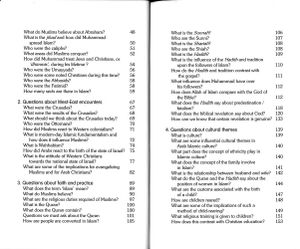
What do Muslims believe about Abraham?
What is the jihad and how did Muhammad spread Islam?
Who were the caliphs?
What areas did Muslims conquer?
How did Muhammad treat Jews and Christians, or Vhimmis; during his lifetime?
Who were the Umayyads?
Who were some noted Christians during this time?
Who were the Abbasids?
Who were the Fatimid?
How many sects are there in Islam?
2. Questions about West-East encounters
What were the Crusades?
What were the results of the Crusades?
What should we think about the Crusades today?
Who were the Ottomans?
How did Muslims react to Western colonialism?
What is modern-day Islamic fundamentalism and how does it influence Muslims?
What is Wahhabism?
How did Arabs react to the birth of the state of Israel?
What is the attitude of Western Christians towards the national state of Israel?
What are some of the implications for evangelizing Muslims and for Arab Christians?
3. Questions about faith and practice
What does the term ‘Islam’ mean?
What do Muslims believe?
What are the religious duties required of Muslims?
What is the Quran?
What does the Quran contain?
Questions we must ask about the Quran
How are people are converted in Islam?
What is the Sunnah?
Who are the Sunni?
What is the Sharjah?
Who are the Shiah?
What is the Hadith?
What is the influence of the Hadith and tradition upon the followers of Islam?
How do the Hadith and tradition contrast with the gospel?
What influence does Muhammad have over his followers?
How does Allah of Islam compare with the God of the Bible?
What does the Hadith say about predestination / fatalism?
What does the biblical revelation say about God?
How can we know that certain revelation is genuine?
4. Questions about cultural themes
What is culture?
What are some influential cultural themes in Arab Islamic culture?
What part does the concept of ethnicity play in Islamic culture?
What does the concept of the family involve in Islam?
What is the relationship between husband and wife?
What do the Quran and the Hadith say about the position of women in Islam?
What are the customs associated with the birth of a child?
How are children reared?
What are some of the implications of such a method of child-rearing?
What religious training is given to children?
How does this contrast with Christian education?
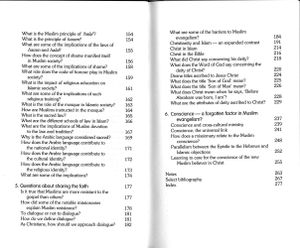
What is the Muslim principle of ‘halal?
What is the principle of haram?
What are some of the implications of the laws of haram and halal?
How does the concept of shame manifest itself in Muslim society?
What are some of the implications of shame?
What role does the code of honour play in Muslim society?
What is the impact of religious education on Islamic society?
What are some of the implications of such religious training?
What is the role of the mosque in Islamic society?
How are Muslims instructed in the mosque?
What is the sacred law?
What are the different schools of law in Islam?
What are the implications of Muslim devotion to the law and tradition?
Why is the Arabic language considered sacred?
How does the Arabic language contribute to the national identity?
How does the Arabic language contribute to the cultural identity?
How does the Arabic language contribute to the religious identity?
What are some of the implications?
5. Questions about sharing the faith
Is it true that Muslims are more resistant to the gospel than others?
How did some of the notable missionaries explain Muslim resistance?
To dialogue or not to dialogue?
How do we define dialogue?
As Christians, how should we approach dialogue?
What are some of the barriers to Muslim evangelism?
Christianity and Islam — an expanded contrast
Christ in Islam
Christ in the Bible
What did Christ say concerning his deity?
What does the Word of God say concerning the deity of Christ?
Divine titles ascribed to Jesus Christ
What does the title ‘Son of God’ mean?
What does the title ‘Son of Man’ mean?
What does Christ mean when he says, ‘Before Abraham was born, I am’?
What are the attributes of deity ascribed to Christ?
6. Conscience — a forgotten factor in Muslim evangelism?
Conscience and cross-cultural ministry
Conscience, the universal link
How does a missionary relate to the Muslim conscience?
Parallelism between the Epistle to the Hebrews and Islamic objections
Learning to care for the conscience of the new Muslim believer in Christ
Notes
Select bibliography
Index Introduction
Why another book on Islam?
To whom is this book written?
What is the purpose of this book?
How is this book organized?
1. Questions about early Islam
Who is an Arab?
What religious life was there in Arabia before Islam?
Where did the confusion in Islam about the Trinity come from?
Who are the ‘People of the Book’?
Who were the pre-Islamic Jews?
How did Judaism influence Islam?
To what extent does the Quran correspond to the Old Testament narratives?
Who were the pre-Islamic Christians?
What were the main heresies which led to Muhammad’s misunderstanding of the Christian faith?
What are some of the implications of these heresies?
Who was Muhammad?
Why do Muslims visit Mecca?
What is the Kaaba?
What is meant by ‘Dar al-Islam’ and ‘Dar al-Harb’?
What do Muslims believe about Abraham?
What is the jihad and how did Muhammad spread Islam?
Who were the caliphs?
What areas did Muslims conquer?
How did Muhammad treat Jews and Christians, or Vhimmis; during his lifetime?
Who were the Umayyads?
Who were some noted Christians during this time?
Who were the Abbasids?
Who were the Fatimid?
How many sects are there in Islam?
2. Questions about West-East encounters
What were the Crusades?
What were the results of the Crusades?
What should we think about the Crusades today?
Who were the Ottomans?
How did Muslims react to Western colonialism?
What is modern-day Islamic fundamentalism and how does it influence Muslims?
What is Wahhabism?
How did Arabs react to the birth of the state of Israel?
What is the attitude of Western Christians towards the national state of Israel?
What are some of the implications for evangelizing Muslims and for Arab Christians?
3. Questions about faith and practice
What does the term ‘Islam’ mean?
What do Muslims believe?
What are the religious duties required of Muslims?
What is the Quran?
What does the Quran contain?
Questions we must ask about the Quran
How are people are converted in Islam?
What is the Sunnah?
Who are the Sunni?
What is the Sharjah?
Who are the Shiah?
What is the Hadith?
What is the influence of the Hadith and tradition upon the followers of Islam?
How do the Hadith and tradition contrast with the gospel?
What influence does Muhammad have over his followers?
How does Allah of Islam compare with the God of the Bible?
What does the Hadith say about predestination / fatalism?
What does the biblical revelation say about God?
How can we know that certain revelation is genuine?
4. Questions about cultural themes
What is culture?
What are some influential cultural themes in Arab Islamic culture?
What part does the concept of ethnicity play in Islamic culture?
What does the concept of the family involve in Islam?
What is the relationship between husband and wife?
What do the Quran and the Hadith say about the position of women in Islam?
What are the customs associated with the birth of a child?
How are children reared?
What are some of the implications of such a method of child-rearing?
What religious training is given to children?
How does this contrast with Christian education?
What is the Muslim principle of ‘halal?
What is the principle of haram?
What are some of the implications of the laws of haram and halal?
How does the concept of shame manifest itself in Muslim society?
What are some of the implications of shame?
What role does the code of honour play in Muslim society?
What is the impact of religious education on Islamic society?
What are some of the implications of such religious training?
What is the role of the mosque in Islamic society?
How are Muslims instructed in the mosque?
What is the sacred law?
What are the different schools of law in Islam?
What are the implications of Muslim devotion to the law and tradition?
Why is the Arabic language considered sacred?
How does the Arabic language contribute to the national identity?
How does the Arabic language contribute to the cultural identity?
How does the Arabic language contribute to the religious identity?
What are some of the implications?
5. Questions about sharing the faith
Is it true that Muslims are more resistant to the gospel than others?
How did some of the notable missionaries explain Muslim resistance?
To dialogue or not to dialogue?
How do we define dialogue?
As Christians, how should we approach dialogue?
What are some of the barriers to Muslim evangelism?
Christianity and Islam — an expanded contrast
Christ in Islam
Christ in the Bible
What did Christ say concerning his deity?
What does the Word of God say concerning the deity of Christ?
Divine titles ascribed to Jesus Christ
What does the title ‘Son of God’ mean?
What does the title ‘Son of Man’ mean?
What does Christ mean when he says, ‘Before Abraham was born, I am’?
What are the attributes of deity ascribed to Christ?
6. Conscience — a forgotten factor in Muslim evangelism?
Conscience and cross-cultural ministry
Conscience, the universal link
How does a missionary relate to the Muslim conscience?
Parallelism between the Epistle to the Hebrews and Islamic objections
Learning to care for the conscience of the new Muslim believer in Christ
Notes
Select bibliography
Index Show all ▾ |
Added by JT_X