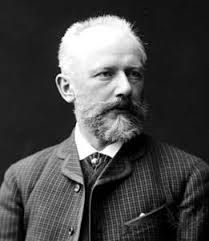
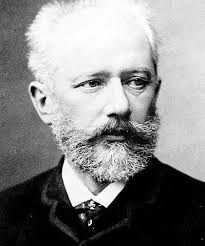
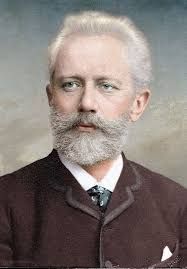
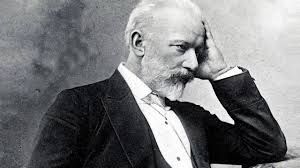
Pyotr Ilyich Tchaikovsky, Пётр Ильич Чайкoвский (Transliterated: Pyotr Ilyich Chaykovsky / Anglicised: Peter Ilyich Tchaikovsky) the most popular Russian composer of all time. His music has always had great appeal for the general public in virtue of its tuneful, open-hearted melodies, impressive harmonies, and colourful, picturesque orchestration, all of which evoke a profound emotional response. His oeuvre includes 7 symphonies, 11 operas, 3 ballets, 5 suites, 3 piano concertos, a violin concerto, 11 overtures (strictly speaking, 3 overtures and 8 single movement programmatic orchestral works), 4 cantatas, 20 choral works, 3 string quartets, a string sextet, and more than 100 songs and piano pieces.
Despite his many popular successes, Tchaikovsky's life was punctuated by personal crises and depression. Contributory factors included his early separation from his mother for boarding school followed by his mother's early death, the death of his close friend and colleague Nikolai Rubinstein, and the collapse of the one enduring relationship of his adult life, which was his 13-year association with the wealthy widow Nadezhda von Meck who was his patron even though they never actually met each other. His homosexuality, which he kept private, has traditionally also been considered a major factor, though some musicologists now downplay its importance. Tchaikovsky's sudden death at the age of 53 is generally ascribed to cholera; there is an ongoing debate as to whether cholera was indeed the cause of death, and whether his death was accidental or self-inflicted.
While his music has remained popular among audiences, critical opinions were initially mixed. Some Russians did not feel it was sufficiently representative of native musical values and expressed suspicion that Europeans accepted the music for its Western elements. In an apparent reinforcement of the latter claim, some Europeans lauded Tchaikovsky for offering music more substantive than base exoticism and said he transcended stereotypes of Russian classical music. Others dismissed Tchaikovsky's music as "lacking in elevated thought" and derided its formal workings as deficient because they did not stringently follow Western principles.