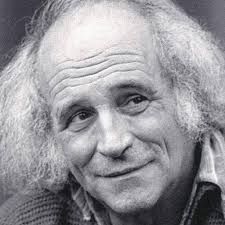
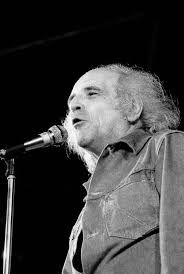
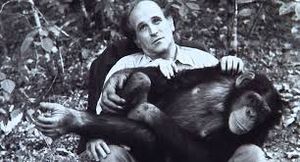
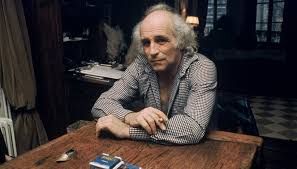
Léo Ferré, full name Léo Albert Charles Antoine Ferré, was a Monegasque singer-songwriter, poet, writer and anarchist.
Along with Jacques Brel, Georges Brassens, Serge Gainsbourg, Charles Aznavour and Jean Ferrat, Léo Ferré is a legend in french music.
In 1941, for the first time, he performed in public at the Academy of Fine Arts in Monte Carlo. In 1943 he married Odette Schunk; his singing career progressed and, in 1946, he moved to Paris, where he began attending Saint-Germain cabarets as a singer.
It is the post-war period, new types of singers and songs are spreading in the country, among them there is Léo Ferré who begins to give light to his anarchist ideas through his texts. He becomes friends with some Spanish exiles to whom he dedicates songs such as Flamenco de Paris, Le Bateau Espagnol and Franco la Muerte, for which he will have the veto of entering Spain until after the fall of the Franco regime. He meets Maurice Joyeux and the libertarian group Louise Michel. He writes the famous song The Anarchists and his ideas inspire songs such as: Monsieur Tout Blanc against Pius XII, Mon General against De Gaulle, Allende against Pinochet. He writes a trilogy against the death penalty and certain words of the gospel: La Mort de Loups, Madame la Misère, and Ni Dieu ni Maitre.
In 1969, he moved to Italy with Marie-Christine Diaz in San Casciano, near Florence. He subsequently recorded many records, made several tours in Europe and around the world, and participated in numerous projects for the show, from theater to television. In 1983 he wrote L'Opera du Pauvre, perhaps the highest point of his expressiveness.